AI GOVERNANCE CATEGORY
Designing Freedom for the Age of AI
The foundation for 2079 is being built today.


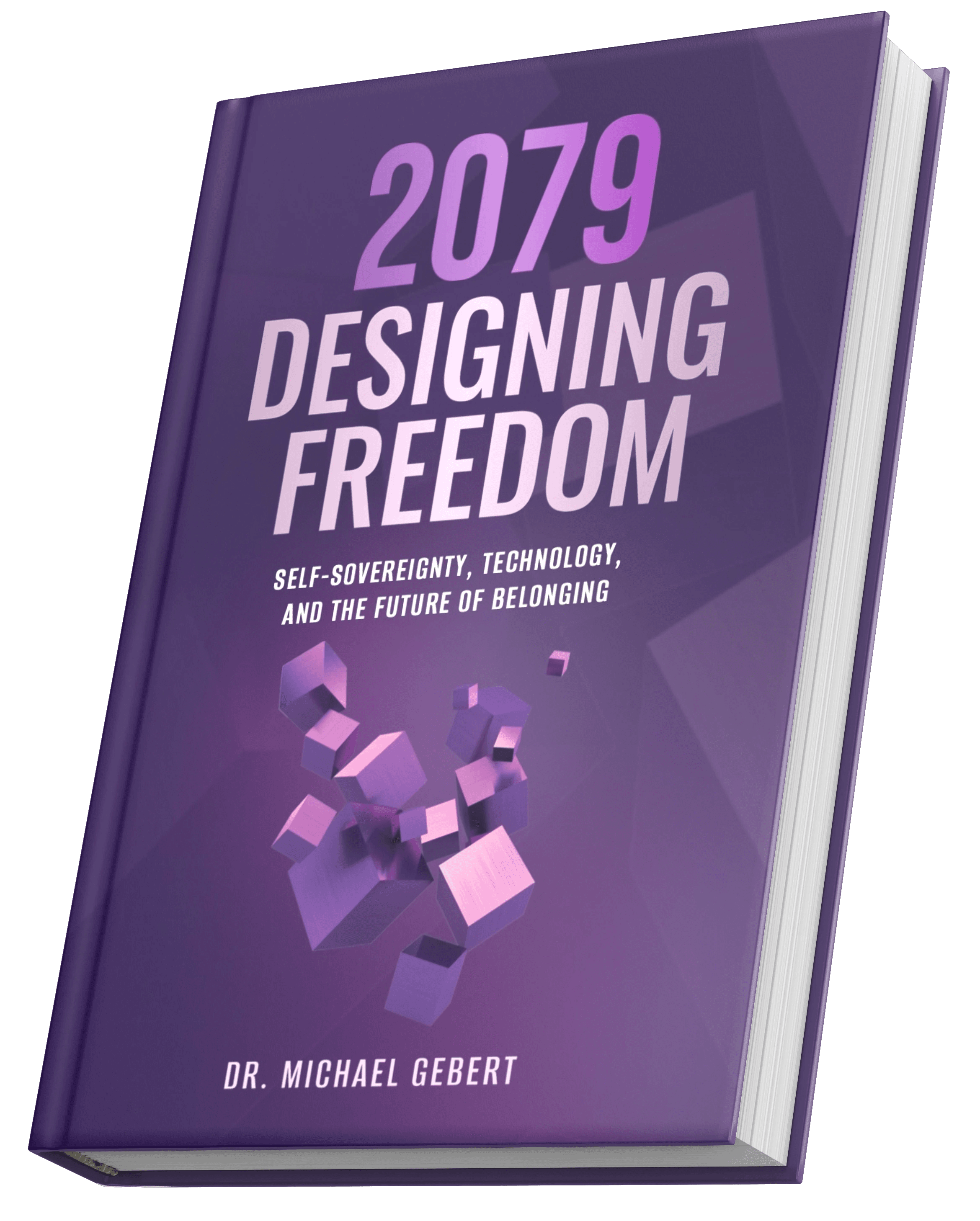
Trusted by leaders in AI governance and digital policy discourse.







The Illusion of Progress
Efficiency Is Not Freedom
Automation promises efficiency. Scale promises growth. Artificial intelligence promises optimization. Yet none of these guarantee freedom.
Freedom in the age of artificial intelligence will not be preserved by accident. It must be deliberately designed.
Efficiency ≠ Sovereignty
Automation ≠ Accountability
Scale ≠ Autonomy
A Strategic Framework for the Age of Delegated Decision making
Freedom in the AI era is not preserved by resistance.
It is preserved by design.
Digital Sovereignty
Who controls identity, data, and the architectures through which decisions are increasingly automated?
Institutional Accountability
How do organizations retain responsibility when authority shifts to machine systems?
Cognitive Responsibility
How do individuals remain sovereign when convenience begins to replace deliberation?
The future of belonging depends on the governance choices we make today.
A rare combination of technological vision and societal responsibility. This is not science fiction — it is institutional foresight.
Policy Advisor
Europe
Clear, calm, and intellectually rigorous. A framework for leaders who understand that efficiency is not freedom.
Governance Strategist
Not a trend book, but a strategic wake-up call. It forces positioning and intellectual clarity.
Executive Reader
Germany
Conversations Behind the Ideas
Selected conversations exploring the ideas behind 2079 – Designing Freedom
Midnight Talk from Davos: Designing Freedom in the Age of AI
Book Discussion Review Podcast: What must not be Delegated

About the Author
Michael Gebert
Dr. Michael Gebert is a technology strategist and governance thinker working at the intersection of artificial intelligence, digital sovereignty, and institutional responsibility.
He is co-founder of the AI Expert Forum and has spent more than three decades building companies, advising leaders, and analyzing the structural implications of technological transformation.
His work focuses on how societies can preserve agency, responsibility, and institutional judgment in systems increasingly shaped by automation.
A governance framework for leaders navigating AI, autonomy, and responsibility.
Available as premium hardcover edition.